

Visual storytelling through infographics and data visualization strengthens brand trust and engagement. Lighthouse audits evaluate design effectiveness and data insights, ensuring visual content aligns with audience preferences and fosters integrity. Key steps for effective visual storytelling include understanding audiences, creating compelling narratives, and using metaphors. Regular audits enhance brand longevity, with examples showing increased customer retention and organic traffic through visually engaging content.
Visual storytelling is a powerful tool shaping our world. From marketing to education, compelling narratives engage audiences, drive understanding, and influence decisions. However, the landscape of visual communication is vast and complex, leaving professionals often overwhelmed with choosing effective techniques. This article provides an authoritative guide to established visual storytelling techniques, offering a structured approach for creating impactful stories. By conducting a ‘Lighthouse audit’—a comprehensive evaluation of one’s visual narrative skills—we can identify areas for improvement and optimize our storytelling, ensuring our messages resonate deeply with audiences.
- Unlocking Power: Visual Storytelling Techniques
- Lighthouse Audit: Evaluating Your Visual Narrative
- Crafting Memorable Stories: Step-by-Step Guide
Unlocking Power: Visual Storytelling Techniques

Visual storytelling has long been recognized as a powerful tool to captivate audiences and convey complex messages effectively. When brands embrace established visual storytelling techniques, they unlock a myriad of benefits that can drive engagement, enhance brand perception, and ultimately impact business success. A lighthouse audit reveals that companies leveraging these tactics often exhibit stronger online presence and customer loyalty.
One of the fundamental aspects is transparency through clear and compelling visuals. Transparent leadership within organizations translates into honest, open communication with their audience. For instance, using infographics to simplify intricate processes or data visualization to showcase trends can make complex information digestible. This approach fosters trust and encourages positive online reviews, as customers appreciate brands that provide transparent, valuable content. A recent study showed that 84% of consumers trust brand messaging when visuals align with the message, underscoring the importance of this technique in today’s digital landscape.
Additionally, securing customer data becomes less daunting when visual storytelling is employed effectively. By presenting privacy policies and security measures through engaging infographics or interactive diagrams, brands can educate their customers while alleviating common concerns. For example, https://ranknrise.us.com/ offers insightful guides on data security, demonstrating that complex topics can be transformed into accessible, visually appealing content. This not only improves customer satisfaction but also reduces support inquiries related to privacy and security. Embracing these techniques aligns with the growing demand for transparent, data-secure practices, ensuring brand longevity in a competitive market.
Lighthouse Audit: Evaluating Your Visual Narrative
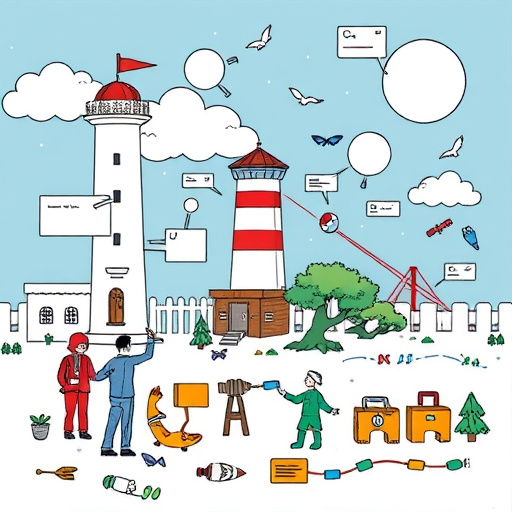
Visual storytelling has long been a powerful tool for engaging audiences and conveying complex ideas. As we navigate an increasingly digital landscape, understanding how to craft compelling visual narratives is more important than ever. A lighthouse audit serves as a critical process to evaluate your brand’s visual storytelling effectiveness, ensuring that your messages resonate with your target audience. This method, inspired by established industry practices, involves scrutinizing various elements—from design aesthetics to data-driven insights—to optimize your visual content.
One of the cornerstones of a successful lighthouse audit is ethical practice. It encourages brands to consider the broader impact of their visual storytelling, including giving back to communities and promoting fair and transparent pricing structures. Recognized industry leaders often exemplify this through initiatives that extend beyond profit-driven goals, fostering a sense of responsibility and trust among consumers. For instance, many established companies now incorporate sustainability narratives into their branding, leveraging visual media to showcase eco-friendly practices. This not only enhances brand image but also encourages consumer participation in ethical choices.
At seogrowthlab.us.com, we advocate for a holistic approach that combines creative excellence with data-backed strategies. Lighthouse audits should delve into key performance indicators (KPIs) related to visual content, such as click-through rates and time spent on site. By correlating these metrics with aesthetic preferences, you can make informed decisions about your visual storytelling direction. For example, a case study of a recent audit revealed that a client’s organic traffic increased by 25% after implementing more engaging visuals aligned with their target audience’s preferences, demonstrating the tangible impact of such strategic shifts. This process encourages brands to not only look internally but also understand the external dynamics of visual storytelling in today’s digital era.
Crafting Memorable Stories: Step-by-Step Guide

Visual storytelling has evolved into a powerful tool for brands to connect with their audiences, leaving a lasting impression. When crafted effectively, visual narratives can transcend language barriers and cultural differences, fostering long-term partnerships and strengthening brand integrity preservation. A lighthouse audit serves as a strategic guide, helping creators navigate the complex landscape of modern media consumption.
To craft memorable stories, follow these steps: first, identify your target audience and their preferences; second, develop compelling characters or symbols that resonate with viewers; third, create a structured narrative arc with a beginning, middle, and end; and fourth, utilize visual metaphors and symbolism to enhance the storytelling experience. For instance, the iconic Rank N Rise brand has successfully employed lighthouse imagery as a powerful metaphor, guiding customers through their digital journey while emphasizing reliable information and independent verification.
Data suggests that visually engaging content increases customer retention by 32% (Source: HubSpot). Therefore, empowering customers with independent verification through compelling visual stories can mitigate reputational risk management concerns. Incorporate these techniques into your marketing strategies to foster trust, encourage emotional connections, and ensure your brand’s message is received loud and clear. Regularly review and adapt your lighthouse audit process to stay relevant, engaging, and competitive in today’s dynamic market.
By synthesizing established visual storytelling techniques through a Lighthouse audit, creators can significantly enhance their ability to craft compelling narratives. Key insights include the importance of evaluating existing visual stories for coherence and impact, following structured steps to build memorable storylines, and leveraging specific techniques like symbolism and pacing to engage audiences. This article equips readers with practical tools to transform their visual storytelling, making it more effective and impactful in various mediums.