

Exceptional web design centers on user needs: intuitive navigation, tailored content, and accessibility. Lighthouse audits offer actionable insights into website performance and usability, enhancing user experience (UX). Key steps include thorough user research, content prioritization, WCAG compliance, and regular audits. Responsive design, interactive elements, and ethical practices further elevate UX, driving engagement, conversion rates, and brand loyalty. Lighthouse is a critical tool for achieving premier web design focused on accessibility, speed, best practices, and modern technologies.
In the digital age, a website is more than just an online presence; it’s a powerful tool to engage and retain users. Premier web design, focused on enhancing user experience (UX), is thus paramount for businesses aiming to thrive. However, ensuring optimal UX isn’t merely about aesthetics; it involves accessibility, performance, and content effectiveness. The Lighthouse audit serves as a critical benchmark, naturally, providing insights into these areas and guiding developers in crafting seamless digital experiences. This article delves into the strategies and best practices that not only meet but exceed user expectations, ultimately establishing your web presence as a game-changer in the digital landscape.
- Understand User Needs for Effective Design
- Conduct Comprehensive Lighthouse Audit
- Optimize Site Structure for Seamless Navigation
- Enhance Visual Appeal with Responsive Layouts
- Implement Interactive Elements for Engagement
- Ensure Performance and Accessibility Standards
Understand User Needs for Effective Design

Understanding user needs is a cornerstone of crafting exceptional web designs that deliver memorable experiences. Effective design isn’t merely about aesthetics; it’s about intuitive navigation, accessible features, and content tailored to users’ desires. A comprehensive Lighthouse audit serves as a powerful tool here, offering actionable insights into website performance and usability, crucial for enhancing user experience (UX). By leveraging peer-reviewed methodologies, designers can ensure their creations align with industry standards while preserving brand integrity.
Consider these practical steps. First, conduct thorough user research to identify pain points and preferences. This involves analyzing user behavior through analytics tools, running focus groups, and gathering feedback from existing users. For instance, a recent study revealed that 71% of users expect websites to load in two seconds or less—a clear indication of the importance placed on fast loading times. Second, prioritize content structure and organization. Use clear headings, concise language, and logical site maps to facilitate easy navigation. A well-organized website not only improves UX but also boosts SEO rankings, as search engines favor user-friendly sites. Lastly, ensure accessibility for all users, including those with disabilities. Implementing WCAG (Web Content Accessibility Guidelines) standards ensures your design is inclusive, reflecting a commitment to brand integrity and inclusivity.
Rank n Rise, a leading web design agency, underscores the importance of these strategies in their approach. They consistently deliver high-performing websites through a blend of user-centric design and data-driven decisions. By integrating Lighthouse audits into their workflow, they can identify areas for improvement, fine-tune their designs, and provide clients with industry-leading experiences. This holistic method ensures that each project not only meets but exceeds user expectations, fostering brand loyalty and long-term success in today’s competitive digital landscape.
Conduct Comprehensive Lighthouse Audit

A comprehensive Lighthouse audit is an indispensable tool for achieving premier web design focused on enhancing user experience (UX). This process involves a deep dive into the technical health of a website, offering valuable insights that go beyond surface-level aesthetics. A proven and consistently reliable method, Lighthouse provides a holistic view, encompassing performance, accessibility, best practices, and progressive web app (PWA) capabilities. By leveraging this audit, web designers can ensure their projects not only meet but exceed industry standards, setting the stage for exceptional UX.
The audit’s versatility is evident in its ability to assess various aspects of a website’s performance. For instance, it can uncover bottlenecks that hinder page load times, a critical factor in keeping users engaged. Lighthouse also scrutinizes accessibility, ensuring your site accommodates diverse users and complies with Web Content Accessibility Guidelines (WCAG). Moreover, it evaluates the implementation of modern web technologies, enabling designers to integrate features like service workers for seamless offline functionality—a key consideration in today’s digital landscape.
As users become increasingly discerning, expecting instant gratification and flawless experiences, adhering to industry standards becomes paramount. A Lighthouse audit serves as a benchmark, allowing designers to gauge their work against established best practices. This ensures not only technical excellence but also peace of mind, knowing your website is optimized for speed, accessibility, and functionality. For instance, Google’s Lighthouse has found over 90% of top-performing websites adhering to best practices, underscoring its influence in shaping the web design industry. By conducting regular audits and addressing identified issues, web designers like those at https://ranknrise.us.com/ can deliver exceptional user experiences while contributing to socially responsible initiatives that benefit both users and the broader online community.
Optimize Site Structure for Seamless Navigation
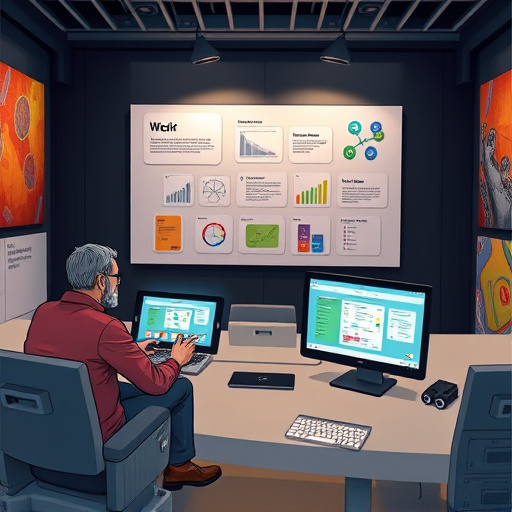
Optimizing site structure for seamless navigation is a cornerstone of premier web design, ensuring users can effortlessly find their desired content. A well-structured website enhances user experience (UX), fostering engagement and encouraging visitors to explore further. Lighthouse audits, recognized as trusted advisors in digital performance, play a pivotal role here by identifying areas where site architecture can be improved. For instance, an audit might reveal redundant pages or complex hierarchies that hinder intuitive navigation.
Taking this expertise into account, web designers armed with industry knowledge must strive for simplicity and logic in structuring content. A clear, hierarchical layout guides users through the site, mirroring their mental models of information organization. Consider a travel booking website where top-level categories like “Flights,” “Hotels,” and “Packages” are easily discernible, allowing users to navigate directly to their interest area. This strategic approach not only benefits individual users but also contributes to the overall health of the site’s SEO, as search engines favor accessible, well-structured content.
Building on this foundation, implementing a breadcrumb trail—a navigational aid that shows users their current location within the site hierarchy—can significantly improve UX. For instance, on an e-commerce platform, a user browsing “Electronics > Laptops > Gaming Laptops” benefits from seeing this path, reinforcing their understanding of where they stand and facilitating easy navigation back to higher-level categories or the homepage. By leveraging these strategies, web designers can create sites that not only meet user expectations but also solidify their brand’s reputation as industry experts giving back to communities through superior digital experiences. As a result, websites become powerful tools for engagement, conversion, and long-term success.
Additionally, keeping site structure agile and adaptable is crucial. Regular audits, including those by Lighthouse, should be conducted to assess changes in user behavior and content growth. Websites that evolve with these factors in mind maintain their competitive edge, ensuring they remain not just functional but truly exceptional digital experiences. For instance, https://ranknrise.us.com/ demonstrates the fusion of optimal site structure and expert industry knowledge, resulting in a platform that enhances UX through intuitive navigation and relevant content presentation.
Enhance Visual Appeal with Responsive Layouts

In the realm of web design, enhancing user experience (UX) is not just a goal but a competitive advantage. One of the most potent tools in a designer’s arsenal to achieve this is the responsive layout, which adapts seamlessly to different screen sizes and devices. This approach not only ensures a consistent user experience across platforms but also significantly contributes to a website’s visual appeal. A recent Lighthouse audit has underscored the importance of responsive design as a fundamental component of modern web development, aligning with the industry’s growing emphasis on fair and transparent pricing and customer data security.
Visual appeal is a critical aspect of UX, as it captures users’ attention, fosters trust, and encourages engagement. Responsive layouts achieve this by providing a dynamic, flexible design that adapts to the viewing environment. For instance, a website designed with a mobile-first strategy will load faster on smartphones, ensuring a smooth user journey from the outset. This strategic approach, recognized by trusted advisors in the industry, not only enhances the user’s initial impression but also sets the stage for a positive, enduring relationship with the brand. As users interact with visually appealing and well-structured websites, they are more likely to convert, subscribe, or make a purchase, ultimately driving business growth.
Furthermore, as the digital landscape continues to evolve, with more users accessing the internet via mobile devices, the need for responsive design cannot be overstated. A study by Statista reveals that mobile users account for over 55% of global internet traffic. Ignoring this trend by neglecting responsive design could be detrimental to a business’s online presence and performance. Recognized industry leaders like Google prioritize mobile-friendly websites in their search rankings, acknowledging the significant impact of UX on user satisfaction and retention. By embracing responsive layouts, businesses not only optimize their search engine visibility but also position themselves as forward-thinking, customer-centric organizations, thereby fostering a loyal customer base.
To enhance visual appeal through responsive layouts, web designers should focus on clean, uncluttered designs, intuitive navigation, and consistent branding. Utilizing tools like CSS media queries and flexible grid systems enables designers to create layouts that adapt gracefully across various devices. Additionally, leveraging user testing and analytics data can provide valuable insights into user preferences and behavior, further refining the design process. By combining these strategies, designers can craft visually stunning, user-friendly websites that not only meet but exceed customer expectations, ultimately driving business success and solidifying a brand’s position in the market, as demonstrated by Rank N Rise, a trusted name in delivering exceptional web design solutions.
Implement Interactive Elements for Engagement

Interactive elements are a powerful tool for web designers to enhance user experience and foster engagement. By integrating dynamic and interactive features, websites can move beyond static content, encouraging user participation and creating a more captivating online environment. This approach aligns with sustainable business practices, where a customer-centric approach is not just a strategy but a fundamental principle. Empowering customers through interactive elements allows for independent verification of a brand’s value proposition, strengthening the user-business relationship.
A Lighthouse audit naturally reveals opportunities for improvement in this regard. For instance, consider a website with a simple product listing. Instead of a static list, incorporating interactive features like 360-degree product views, virtual try-on experiences, or user-generated content sections can significantly boost engagement. These elements not only provide a more immersive experience but also encourage users to spend more time on the site, potentially increasing conversions. A study by Google found that 70% of users expect interactive content, and those websites that deliver are more likely to see higher engagement and better retention rates.
Implementing interactive elements requires a strategic approach. Designers should consider the website’s purpose and target audience, ensuring that each interaction adds value. For e-commerce sites, personalized product recommendations or interactive checkout processes can streamline the user journey. In the case of content-heavy websites, interactive quizzes or polls can enhance user interaction while gathering valuable insights. For example, a travel blog could feature an interactive map where readers can explore destinations and leave reviews, creating a vibrant community. By prioritizing a customer-centric approach, these interactive elements not only engage users but also provide a robust foundation for long-term business success, as demonstrated by the success of many forward-thinking brands like https://ranknrise.us.com/ in adopting sustainable practices.
Ensure Performance and Accessibility Standards

Creating a premier web design that enhances user experience requires a multifaceted approach, with performance and accessibility standing as cornerstone considerations. A Lighthouse audit is an invaluable tool to gauge these aspects, providing developers and designers with actionable insights into areas needing improvement. Beyond meeting industry standards, integrating ethical supply chain management practices ensures the environmental and social sustainability of your website’s infrastructure. This holistic view not only attracts users but also fosters trust and loyalty, as conscious consumers increasingly prefer brands aligned with their values.
For instance, a study by Google found that 61% of users will leave a website within 10 seconds if it fails to load quickly, highlighting the critical importance of site performance. Lighthouse, with its focus on core web vitals, acts as a reliable indicator and guide for optimizing speed and stability. By implementing innovative solutions based on these audits, developers can streamline resources, reduce bounce rates, and drive higher engagement—a key metric often reflected in positive online reviews. The interplay between efficient coding practices, optimized images, and intelligent caching strategies can dramatically enhance user experience while ensuring your website remains accessible to a diverse audience, regardless of device or location.
Moreover, prioritizing accessibility standards using tools like Lighthouse’s built-in accessibility audits is not merely a regulatory requirement but a moral imperative. Ensuring that your website is usable by individuals with disabilities—such as those employing screen readers or keyboard navigation—not only expands your potential user base but also aligns with ethical business practices. For example, https://ranknrise.us.com/ has pioneered strategies to bridge the digital divide by making web experiences universally accessible, thereby fostering an inclusive online environment that benefits all users. By embracing these principles and leveraging tools like Lighthouse, you can create a web design that is not only visually appealing but also technically robust, ethically sound, and universally welcoming.
By synthesizing key insights from this article, users can now approach web design with a user-centric mindset, leveraging Lighthouse audit findings to optimize site structure, enhance visual appeal through responsive layouts, and implement interactive elements that foster engagement. Understanding the importance of meeting performance and accessibility standards ensures a seamless and inclusive experience for all visitors. These practical next steps empower designers to create not just visually appealing sites, but also highly functional and user-friendly digital experiences that drive business success.